Sustainable Shrimp Farming: The Future of Responsible Seafood Production

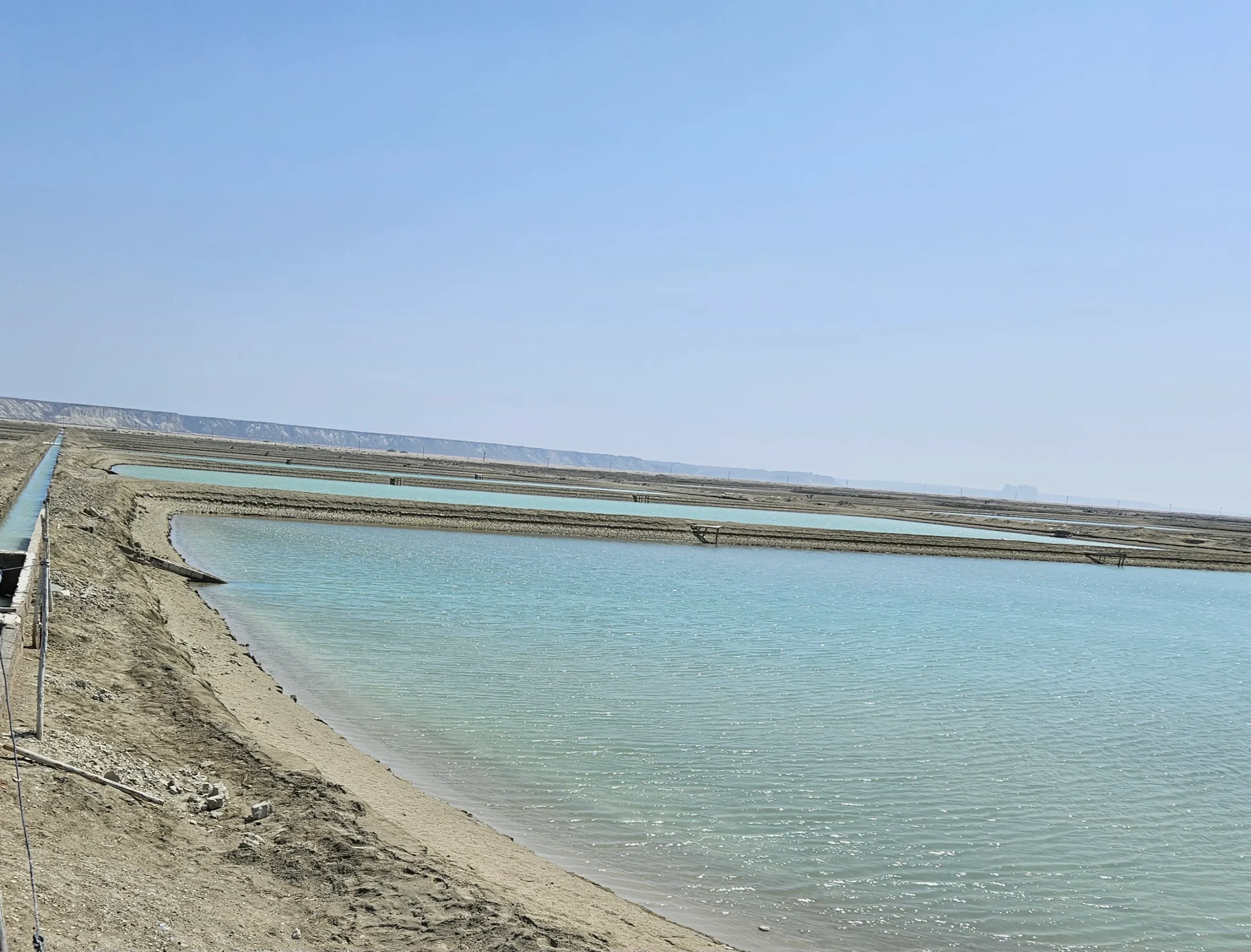
As global demand for seafood continues to grow, sustainable shrimp farming has become one of the most important pillars of modern aquaculture. Today, leading shrimp producers are investing in innovative farming technologies, responsible environmental practices, and strict quality control systems to deliver premium shrimp while protecting natural resources.
Sustainable aquaculture is no longer simply a market trend—it has become an essential commitment to food safety, environmental stewardship, and long-term business growth.
What Is Sustainable Shrimp Farming?
Sustainable shrimp farming is the practice of producing shrimp using environmentally responsible methods that minimize ecological impact while maintaining high productivity and exceptional product quality.
Modern shrimp farms focus on:
- Responsible water management
- Continuous water quality monitoring
- Disease prevention through biosecurity
- Efficient feed management
- Reduced environmental footprint
- Full traceability throughout production
These practices help ensure healthier shrimp and more reliable production for international markets.
Why Sustainability Matters
Consumers, retailers, and seafood importers increasingly expect suppliers to demonstrate sustainable production practices.
Responsible shrimp farming helps:
- Protect coastal ecosystems
- Improve shrimp health and survival rates
- Reduce unnecessary antibiotic use
- Maintain consistent product quality
- Support long-term seafood supply
- Build confidence among international buyers
Sustainability has become a competitive advantage in global seafood trade.
Quality Control Throughout Production
High-quality shrimp begins long before harvesting.
Professional shrimp producers implement quality assurance procedures during every production stage, including:
Hatchery Management
Healthy larvae provide the foundation for successful farming operations.
Pond Monitoring
Water temperature, dissolved oxygen, salinity, and pH are monitored continuously to maintain optimal growing conditions.
Feeding Programs
Balanced nutrition supports healthy growth while minimizing waste and improving feed conversion efficiency.
Harvesting
Proper harvesting techniques preserve freshness and reduce physical damage.
Processing
Rapid processing and freezing help maintain texture, flavor, and nutritional value.
Environmental Responsibility
Modern shrimp farms are increasingly adopting environmentally friendly practices such as:
- Water recycling systems
- Sediment management
- Renewable energy integration
- Biodiversity protection
- Waste reduction initiatives
- Responsible resource utilization
These investments help ensure long-term sustainability while meeting international environmental expectations.
Food Safety and International Standards
Export-quality shrimp production requires compliance with internationally recognized food safety standards.
Professional producers typically operate under comprehensive quality management systems that support:
- Product traceability
- Hygiene management
- Food safety controls
- Cold chain integrity
- Laboratory testing
- Continuous quality improvement
These measures help ensure that every shipment meets customer expectations and international market requirements.
Meeting Global Market Demand
The international seafood market continues to expand, creating opportunities for reliable shrimp producers capable of delivering consistent quality.
Customers increasingly seek suppliers that offer:
- Stable production capacity
- Reliable delivery schedules
- Premium product quality
- Transparent production practices
- Sustainable farming operations
Companies that invest in responsible aquaculture are well positioned to meet these expectations.
The Future of Shrimp Aquaculture
Innovation is transforming the shrimp industry through advanced monitoring technologies, automation, data-driven farm management, and environmentally sustainable production methods.
As the global seafood industry evolves, sustainable shrimp farming will remain the foundation for producing safe, high-quality shrimp while preserving natural ecosystems for future generations.
Conclusion
Sustainable shrimp farming represents the future of responsible seafood production. By combining advanced aquaculture practices, rigorous quality control, and environmental responsibility, producers can deliver premium shrimp that meets the highest international standards while contributing to a more sustainable global food system.